Compare Local Contractors for Smoke Damage Remediation Services
Compare local contractors for smoke damage remediation to define scope, verify experience, and set clear expectations for effective property restoration.
Smoke damage remediation services typically involve a comprehensive approach to restoring a property affected by smoke and soot from fires or other sources. These services often include removing residual smoke particles, cleaning and deodorizing affected surfaces, and repairing or replacing damaged materials such as drywall, flooring, and furnishings. The goal is to eliminate lingering odors and prevent further damage, helping property owners regain a safe and habitable space. Understanding the scope of work involved can help property owners ensure that all affected areas are addressed thoroughly and that the remediation process aligns with their specific needs.
Defining the scope of smoke damage remediation is a critical step in the process, as it establishes clear expectations and helps prevent misunderstandings between property owners and contractors. A well-outlined scope typically details the specific tasks to be performed, the areas involved, and the types of materials that will be cleaned or replaced. This clarity allows property owners to evaluate whether a contractor’s proposed plan covers all necessary aspects of the damage and ensures that the work will be completed to their satisfaction. Having a detailed scope also provides a basis for comparing different service providers and assessing their experience with similar projects.
When comparing local contractors for smoke damage remediation, property owners should consider several practical factors. It’s helpful to verify the experience and expertise of each service provider, especially regarding projects similar in scope or severity. Reviewing the scope of work outlined by each contractor can reveal differences in approach and ensure that all necessary tasks are included. Additionally, obtaining written agreements that specify the scope, responsibilities, and expectations can help prevent surprises during the project. By carefully evaluating these aspects, property owners can select service providers that are well-equipped to handle their specific needs and ensure a clear, transparent remediation process.
Compare local contractors by outlining your priorities, verifying experience, and setting clear scope expectations in writing.
- Compare Contractors - evaluate multiple local service providers to find the best option for smoke damage remediation.
- Define Scope Clearly - outline the specific work needed to ensure all parties understand project expectations.
- Verify Experience - review the background and past work of local contractors to assess their suitability.
- Document Details - keep written records of the scope, expectations, and agreements to prevent misunderstandings.
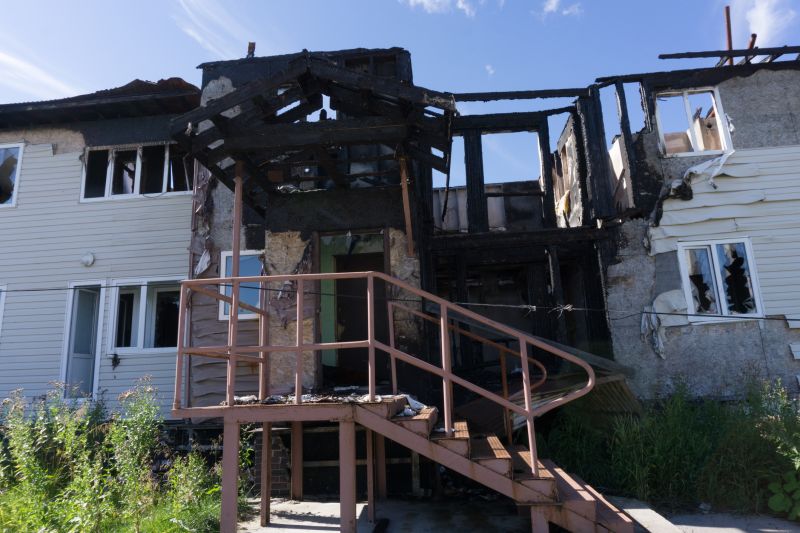
Before comparing contractors, clearly describe your smoke damage remediation project to ensure accurate scope and expectations.
- Verify the contractor’s experience with smoke damage remediation to ensure they understand proper cleanup procedures. - Consider how the service provider defines the scope of work to match your specific needs.
- Compare different local contractors to evaluate their approaches to removing smoke and odor from affected areas. - Ensure they include thorough cleaning, deodorization, and surface treatment as part of the process.
- Check that the contractor provides a detailed written estimate outlining the scope, procedures, and materials involved. - Clarify what areas and surfaces will be addressed during remediation.
- Assess the contractor’s methods for containing affected areas to prevent cross-contamination during cleanup. - Make sure they plan to isolate spaces and use appropriate containment techniques.
- Ensure the service provider explains their process for verifying the effectiveness of smoke odor removal after completion. - Look for procedures such as testing or customer walkthroughs to confirm satisfaction.
Compare local contractors’ experience and clarify project scope to ensure effective smoke damage remediation.
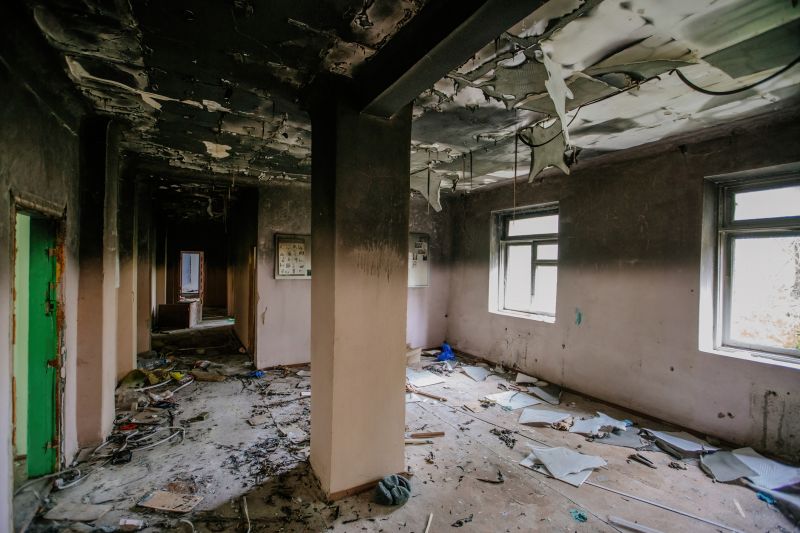
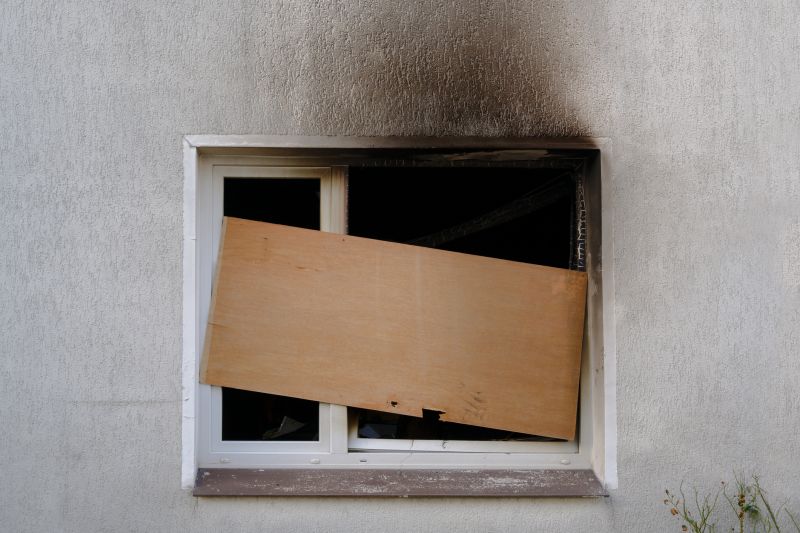
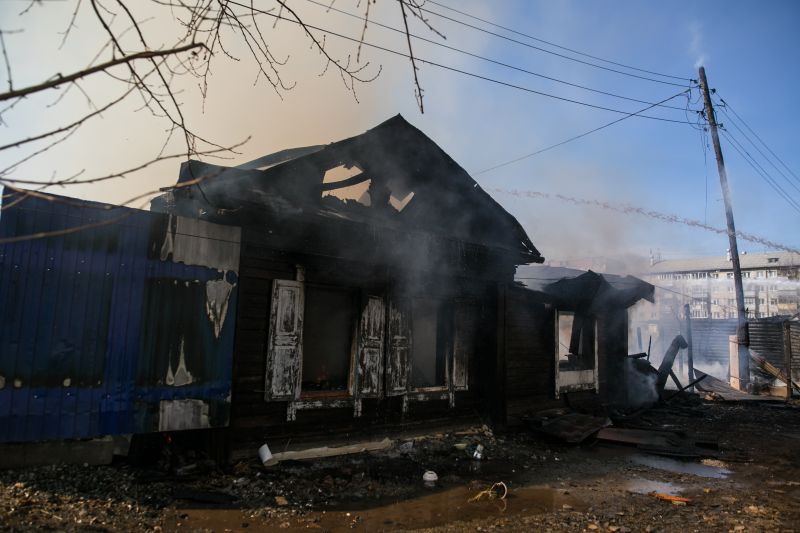
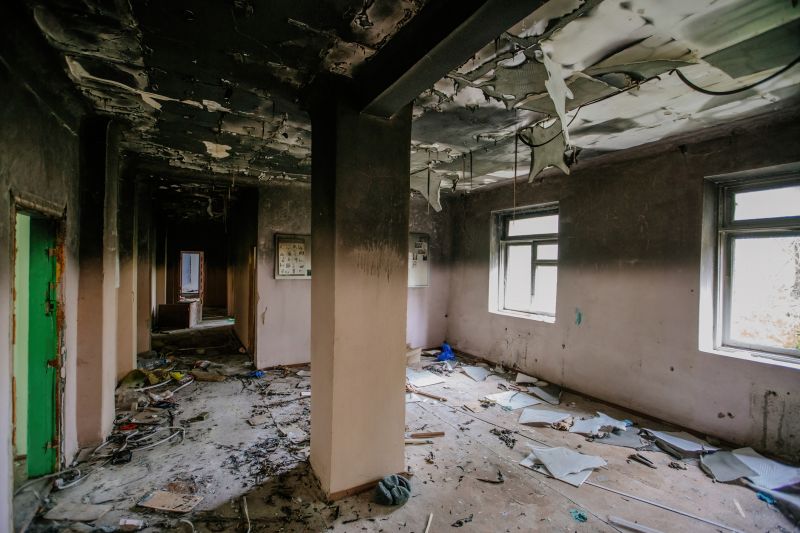
Learn how to compare local contractors, define the scope, verify experience, and set clear expectations in writing.
- Scope Definition - Clearly outline the specific areas and materials affected by smoke damage to establish the remediation scope.
- Experience Verification - Confirm that service providers have relevant experience in smoke damage cleanup and restoration.
- Remediation Procedures - Specify the cleaning, deodorizing, and material removal methods that will be employed during remediation.
- Written Expectations - Obtain detailed, written descriptions of the scope of work, including processes and materials involved.
- Comparison of Contractors - Evaluate multiple local contractors based on their scope definitions, experience, and proposed procedures to make an informed choice.
When comparing contractors for smoke damage remediation, it is important to assess their experience with similar projects. Homeowners should inquire about the types of smoke damage they have handled and the scope of work they have completed in the past. Contractors with a proven track record in managing smoke damage from fires or other sources are more likely to understand the complexities involved and deliver effective results. Reviewing their history with projects comparable in size and severity can help ensure the chosen service provider has the relevant expertise needed for the specific situation.
A clear, written scope of work is essential when evaluating different contractors. A detailed description of the remediation process, including the steps involved, the materials used, and the expected outcomes, helps set realistic expectations. This documentation provides transparency and serves as a reference point throughout the project, reducing misunderstandings. Homeowners should seek proposals that outline each phase of the work, ensuring there is a mutual understanding of what will be done and what to expect from the service provider.
Verification basics are key to making an informed decision. While licensing and certification are not the focus here, homeowners should verify references or reviews that speak to the contractor’s experience with smoke damage remediation. Asking for examples of completed projects and contacting previous clients can provide insights into the contractor’s reliability and quality of work. Additionally, confirming that the service provider adheres to industry standards and best practices can contribute to a smoother remediation process and help avoid potential issues down the line.
Evaluating options without focusing on prices involves comparing the quality of services offered, the clarity of the scope, and the professionalism demonstrated by each contractor. Homeowners should consider how well each service provider communicates and whether they provide comprehensive, understandable proposals. It is also beneficial to assess the level of detail in their scope of work and verify their experience with similar projects. Taking the time to review these aspects can help identify the contractor best suited to handle the specific needs of smoke damage remediation effectively and reliably.
Request written scope of work to ensure clarity, consistency, and accurate comparison among local contractors.
- Scope of Work - What specific smoke damage remediation services does each contractor include in their scope?
- Experience and Expertise - How do contractors demonstrate their experience with smoke damage cleanup in similar projects?
- Comparison Criteria - What factors should be used to compare the quality and thoroughness of different service providers?
- Written Agreements - How can the scope and expectations be clearly defined and documented in writing?
- Certification and Credentials - What credentials or qualifications should be verified to ensure the contractor’s capability?
How can I compare contractors for smoke damage remediation? To compare service providers, review their experience, scope of work, and customer feedback, and request detailed written estimates to understand what each contractor offers.
What should I ask contractors about their scope of work? Clarify what services are included, such as smoke odor removal, cleaning, and restoration, and ensure these details are documented in writing to set clear expectations.
How do I verify the experience of a smoke damage remediation contractor? Inquire about their previous projects, years in the industry, and any references or case studies that demonstrate their ability to handle similar jobs effectively.
Why is it important to have the scope of work in writing? Having a detailed scope in writing helps prevent misunderstandings, ensures all necessary tasks are covered, and provides a basis for comparing different contractors fairly.
What factors should I consider when choosing a smoke damage remediation contractor? Consider their experience, scope of services, reputation, and how well they communicate and document the work plan to ensure they meet your needs.
How can I ensure a contractor understands my specific smoke damage situation? Clearly describe the extent of the damage and your expectations, and confirm that these details are included in the written scope of work before proceeding.
This page has provided an overview of how to find qualified contractors for smoke damage remediation, including how to compare options, define the scope of work, verify experience, and set clear expectations in writing. Understanding these key steps can help in making informed decisions when selecting service providers suited to specific needs. Utilizing the quote form allows for easy comparison among local contractors, helping to identify the best fit for the project.
By using the quote form, visitors can connect with local service providers who are equipped to handle smoke damage remediation. This approach simplifies the process of exploring different options and gathering information to make well-informed choices. Taking the time to compare and define project details ensures a clearer understanding of what to expect when working with local contractors.